When a machine runs all shift but the count comes up short, the loss is performance loss: short stops under the logging threshold and cycles slower than the standard. Neither appears in the downtime log, the ERP or the end-of-shift sheet. A small IoT device on the machine's electrical signals, installed by an electrician in under an hour with no PLC connection, counts every stop however short and measures every cycle against the standard. The operator tags the reason with a tap. Rank the reasons by minutes on one machine, review the week's timeline at the machine, and fix the process, not the operator. Expect OEE to drop before it rises.
The shift that ran all day and still came up short
Every plant manager knows this shift. The machine was running when you walked past at eight, at eleven and at three. The downtime log shows one twenty-minute stop for a material change. And the count at the end of the shift is well below what the standard cycle says it should be. Nothing broke, and the parts are not there.
In OEE terms this is performance loss: the machine was available, nobody recorded it as stopped, and it did not produce at the rate it can. In our experience it is the loss plants are least prepared for, because every record they keep sees something else: the downtime log sees stops long enough to be worth writing down, the ERP sees the standard cycle time, the end-of-shift sheet sees the total. None of them sees the forty seconds the press waited for a part to drop, repeated sixty times.
Two ways to lose parts without stopping
Short stops. A part sticks in the die and the operator frees it. The feeder runs empty for half a minute. Each one is under a minute, and most plants set a threshold, often five or ten minutes, below which a stop is not logged. Below that line the machine’s day is officially uninterrupted.
Slow cycles. The machine runs, but each cycle takes longer than the standard. The feed override was turned down for a bad batch of material and never turned back. A cycle was lengthened after a quality complaint and the change became permanent. The operator pauses the cycle to check a part, as the instruction says, and the check takes longer than the instruction assumed.
The plants we connect usually find both at once, and usually the short stops are the bigger number. They are hard to see not because they are small but because they are many, spread across the shift, with nobody holding a stopwatch.
Let the machine count its own cycles
The machine already knows. Every machine gives off the same four signals: running, stopped, cycle and count. A small IoT device on the machine’s electrical signals picks them up; an electrician installs it in under an hour, with no PLC connection and no change to programs, and the plant’s own people can do it. The signals are the same on every machine. What differs is the machine, the process, the product and the operating environment, even for two presses standing side by side, and the Universal Adapter, in the cloud, interprets the same signals with the context of that specific machine.
Once the cycle signal is there, every gap between cycles is a stop, however short. There is no threshold: sixty thirty-second stops in a shift add up to thirty minutes that used to be nowhere. The measured cycle per part per machine sits next to the standard, and the difference, multiplied by the count, is the slow-cycle loss. Neither number needs anyone to write anything down.
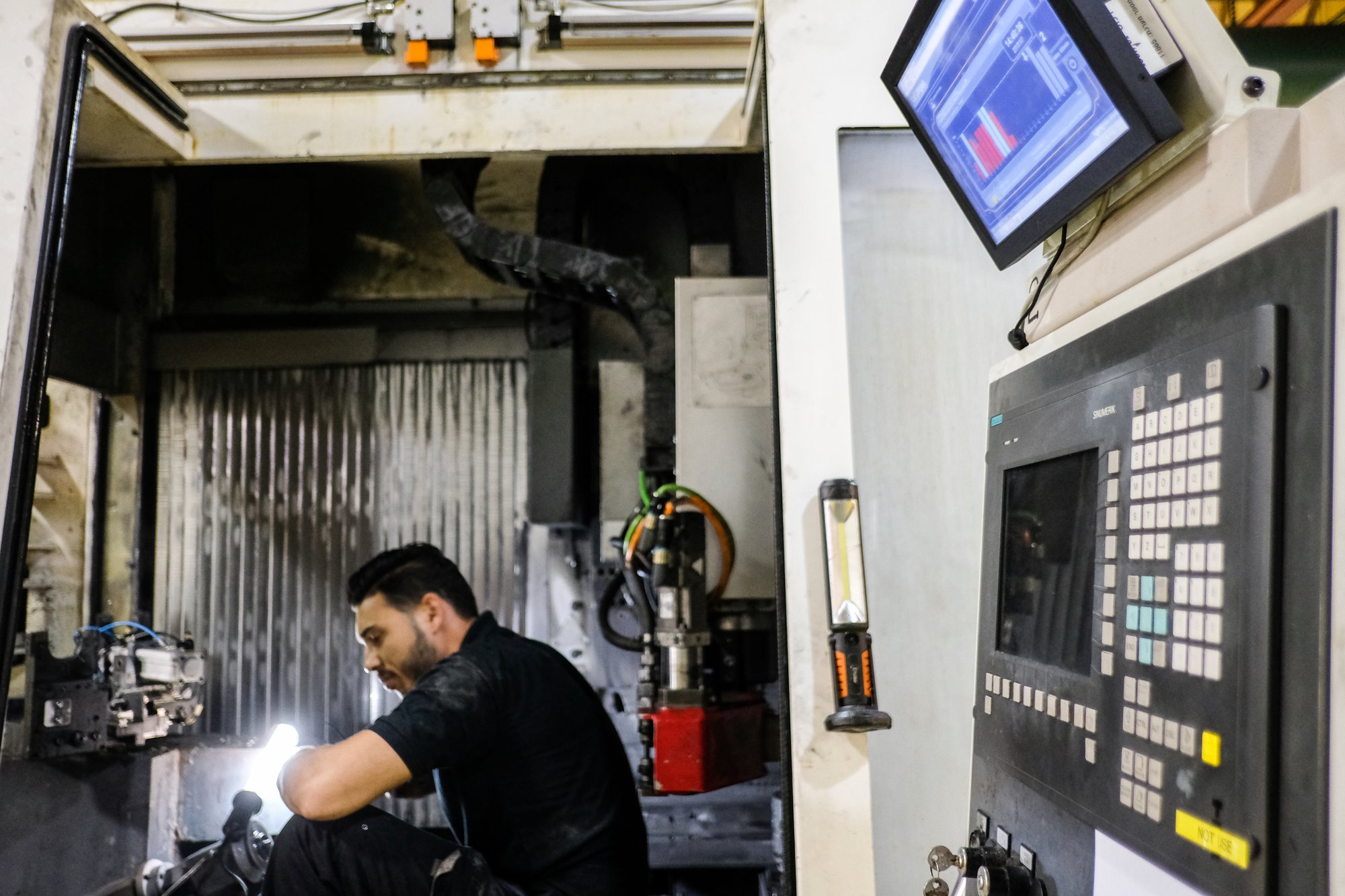
What the operator adds is the reason: a tap on the floor monitor tags a short stop as part stuck, no material, waiting for inspection or alarm reset. In our experience operators do this willingly once they see the stops are already counted; the resistance was never to the reason, it was to writing down a stop nobody else could see.
Rank by minutes, not by how often it happens
The first report of short stops is usually long, and the temptation is to start with the most frequent. We suggest starting with the one that costs the most minutes per shift on one machine. A stop that happens thirty times for thirty seconds and one that happens four times for four minutes cost about the same, but they have different causes and different fixes, and the second is often easier to remove.
The patterns we see most often: one reason dominates on one machine and is nearly absent on its neighbour running the same part, which points at the machine, the fixture or the feeder rather than the product. One reason clusters on one shift, which points at a practice: how material is staged, how a part is checked, how a second machine is covered. And a slow cycle that started on a specific date usually has a decision behind it that nobody remembers making.
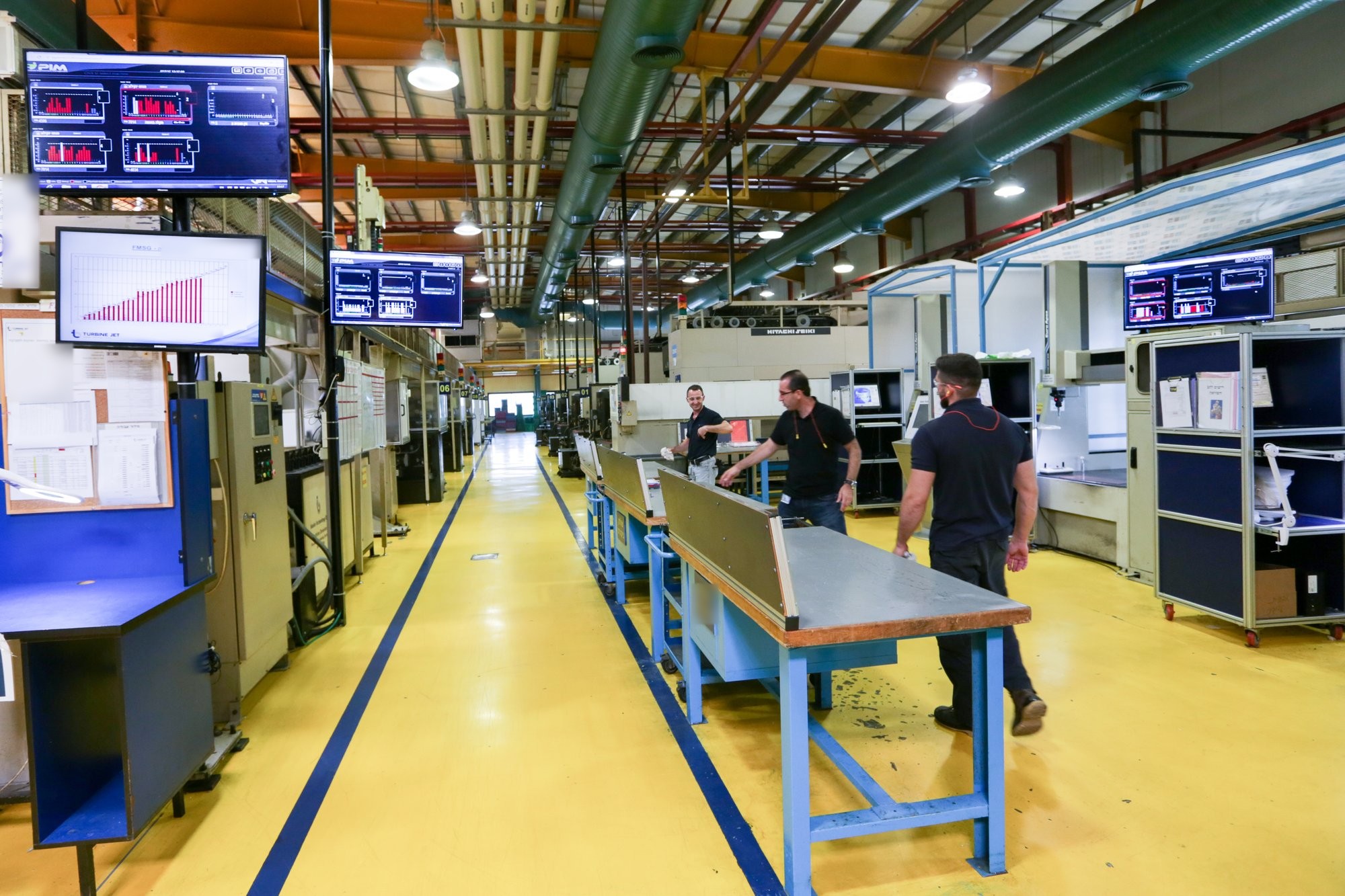
The right place to look at this is at the machine, with the operator and the setter and the week’s timeline on the screen. A short stop is almost always a process problem, not an operator problem, and the discussion goes better when the data says so first. The OEE Improvement product ranks short-stop reasons per machine and per shift and puts the root cause next to the loss.
What changes after a month
The plants we connect usually do three things in the first month. They remove one or two mechanical causes of short stops on the worst machine: an ejector, a sensor, a feeder adjustment that had been “fine” for a year. They restore one or two slow cycles to the standard, once process engineering confirms the reason for slowing them has gone. And they move one practice from the shift with the fewest short stops to the others.
None of these is a project. The gain shows where the loss was hiding: in the count at the end of the shift, on the machine that was running all day, and on the daily report, machine by machine, where it can be held on to once attention moves on.
Once short stops are counted, the OEE a plant reports drops before it rises, because losses that were never in the number are now in it. This is the moment to hold steady: the lower number is the true starting line, and the improvement is measured from it.
What we learned
Performance loss is not hiding because it is small; it is hiding because it is many small things, and every record the plant keeps was designed to ignore them. The machine’s own cycle signal has no threshold and no assumption, and it costs an electrician an hour to get.
Count every stop, measure every cycle, let the operator add the reason in a tap, and rank by minutes on one machine. Then take the week’s timeline to the machine and talk it through with the people who run it. If you have a machine that runs all day and comes up short, that is the one to start with, and we are happy to look at it with you: bring it to a demo.
Questions people ask
Why is our output below the standard rate when the machine was running all shift?
Because of performance loss: short stops below the logging threshold and cycles that run slower than the standard. Both happen while the machine counts as running, so the downtime log, the ERP and the end-of-shift sheet cannot see them. Only the machine's own cycle signal shows every gap between cycles and the measured time of every cycle.
How do we count short stops without an operator writing them down?
From the machine's own signals. A small IoT device on the machine's electrical signals reads running, stopped, cycle and count; an electrician installs it in under an hour, with no PLC connection and no change to programs. Every gap between cycles becomes a stop, however short, and the operator adds the reason with one tap on the floor monitor.
Why did our OEE go down after we connected the machines?
Because losses that were never in the number are now in it. Short stops and slow cycles that no record saw before are counted from the first day, so the reported OEE drops to where it really was. That lower number is the true starting line, and the improvement is measured from it.