







← Back to Products
← Back to Products  ›  Cutting Tools — Tool Life & Cost per Part

Buy on cost per part. Not on tool price.

Tool-life monitoring that counts every part on every tool automatically — so you replace tools on time, avoid scrap, protect the spindle, and finally know what each tool really costs you. The cheapest tool is not necessarily the one with the lowest cost per part.

Machined parts lined up on the shop floor
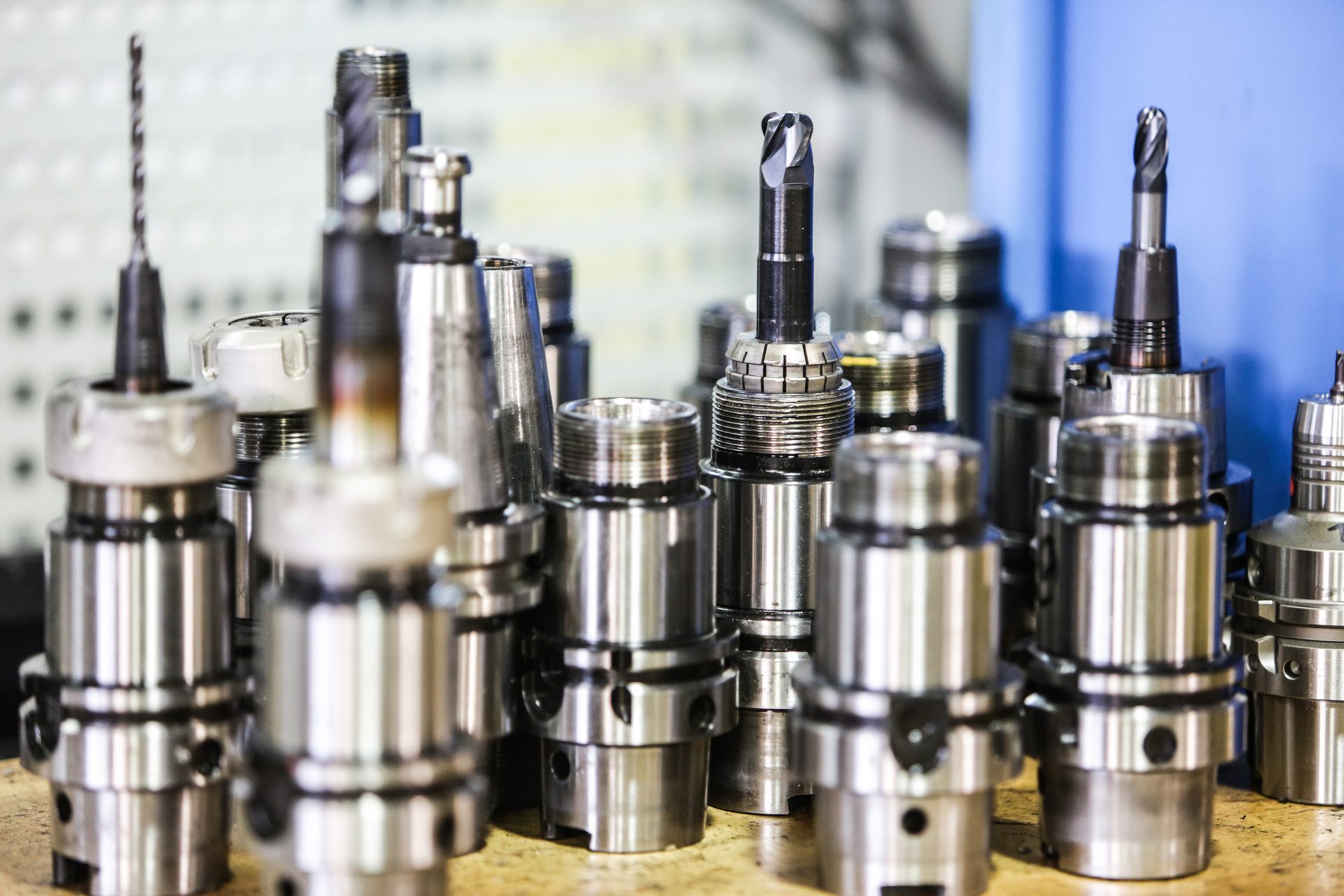
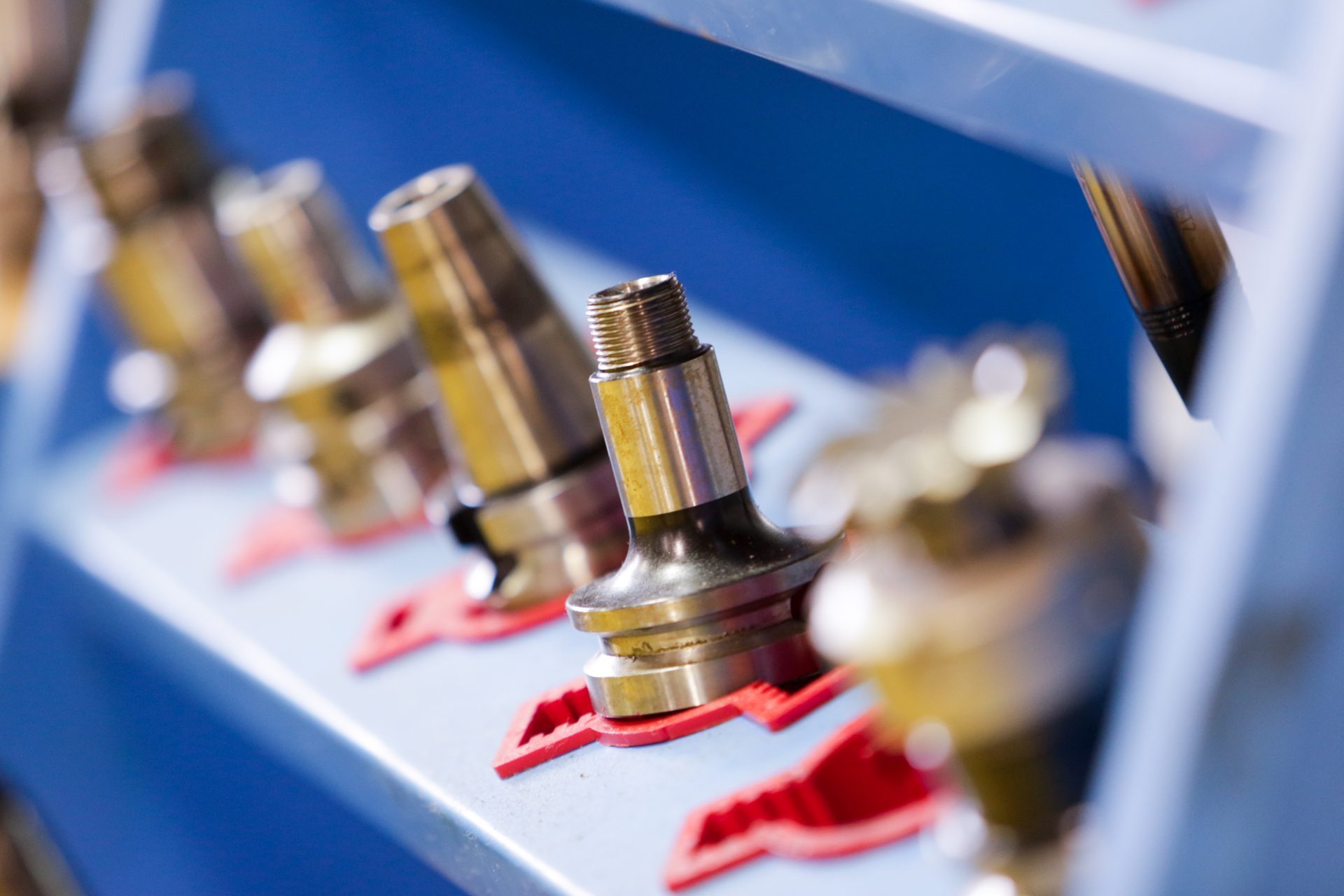
Top-4 costcutting tools in CNC shops
Real timelife % on every active tool
2 ways inmanual or automatic event
Rolls-RoycePratt & WhitneyGühringDinexTecvoxTrinityRailTAV Medical
The problem

Tool life lives in a spreadsheet — or in the operator's head.

Cutting tools are one of the four largest cost lines in a CNC shop, and the least measured. Changes are logged by hand, if at all. Wear is judged by sound and feel. Purchasing sees a tool price; nobody sees the cost per part.

01

Replaced too late — or too early

Too late means scrap, rework and a damaged spindle. Too early means money in the bin. Without a count, both happen every week.

02

Which tool is actually cheaper?

The tool price is on the invoice. The cost per part — tool price divided by parts it really made — is nowhere.

03

Inventory guessed, not forecast

Shortages stop machines; excess ties up cash. Nobody has the usage history to plan from.

The cheapest tool is not necessarily the one with the lowest cost per part.
What you get

Every tool counted. Every change on time. Every cost known.

Replace tools on time, avoid scrap, keep machine health, manage inventory and repair — with the count coming from the machine, not from a form.

MachinePartOp.Tool IDLifeLimitUsage
CNC-02P-620820A-11874,9265,00098.5
CNC-05P-331240A-20315,9616,02498.9
CNC-05P-331240A-20445,9616,02498.9
CNC-05P-331240A-20505,9616,02498.9
CNC-05P-331240A-20525,9616,02498.9
CNC-07P-554010A-33069,52710,00095.3
CNC-07P-554010A-33119,52710,00095.3
01 · Real-time monitor

Active tools, live, per machine

Machine, workpiece, operation, catalogue number and tool ID, actual tool life against its limit, usage % and alert threshold — for every tool currently in a spindle. Tools are monitored by their ID.

Tool life 92% — replace at next stop
CNC-02 · P-6208 · Op 20 · Tool A-1187
2,760 / 3,000 parts · ETA 41 min

Daily report sent — 06:00
14 tools changed · 2 early · 1 over life · cost/part by tool
02 · Alerts & daily reports

Warned before end of life. Reported every morning.

Alerts when a tool approaches its life so the change happens at a planned stop, not mid-cut. A daily PDF with every change, early and late, and the cost per part by tool.

03 · Analytics

Compare tools and suppliers on cost per part

Wear rates by tool and application. Which alternative made more parts on the same job. Forecast consumption from real history — and negotiate with data on the table.

Data entry

Two ways in for the tool.
One way in for the count.

The tool change is recorded once. The parts are counted by the machine.

1 · Manual input
Log the change at the machine

Operator or setter records the tool change at the kiosk or tablet: machine, catalogue number, tool ID, standard life, PIN. Ten seconds.

2 · Automatic
Tool-change event from your system

A scheduled task reads a simple event file — machine, date and time, catalogue number, description, standard tool life — from your tool-management or presetter software.

Tool set · per part number
The right tools come with the part

Each part number carries its set of tools — catalogue numbers and tool IDs — from the ERP gateway or a csv/xls export of the warehouse stock. When a new part number is registered on a machine, the platform brings up that set and the setter selects the tool IDs he is mounting. From then on each tool is monitored by its ID.

Count · from the machine
Parts counted from the signals

Through the electrical signals every machine has: an IoT device the electrician installs in under an hour, the Universal Adapter in the cloud. Every cycle adds to the tool's life — no typing, no estimate.
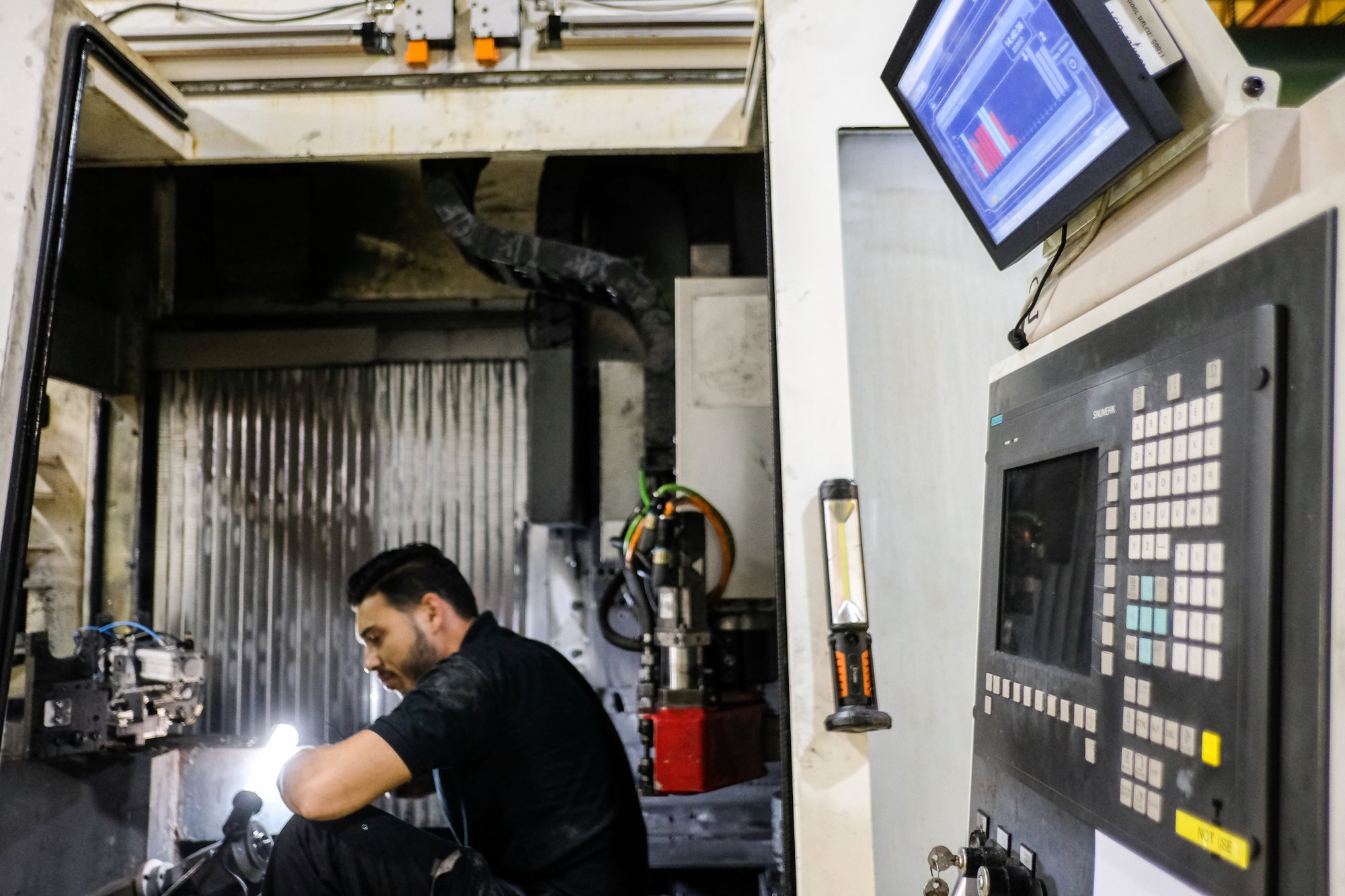
Setter working inside a CNC machining centre
Why cost per part

Your cutting-tools story is our story.

Twenty-five years ago I was an application engineer at one of the world's leading cutting-tool makers, breaking into a market held 100% by a local competitor selling at a third of our price. We won it with tests, not price: our tools cut cycle times by 70%, and the site's throughput tripled. The tool price became irrelevant.

Years later the competition caught up, and the real fight began: convincing purchasers to evaluate tools on cost per part, not tool cost. Every improvement cycle needed proof. That proof is what Tool Life Monitoring produces — automatically, on every tool, every day.

Matti Tiano · Industry Expert, Visual Factories
−70%cycle time with the right tool, proven in production
throughput at the same site within six months
3-yearimprovement cycles needed to keep the business
1 numberthat settles the argument: cost per part
How it works

Count. Warn. Change. Learn.

The loop runs on every tool, on every machine, every day.

01 · Count
Parts from the machine

Each cycle the machine reports is added to the tool in the spindle. Lifespan % moves in real time.

02 · Warn
Before end of life

The alert arrives while there is still a planned stop ahead — on the floor monitor and the phone.

03 · Change
Logged in seconds

The change is recorded at the machine or arrives as an event from your tool system. The new tool starts at zero.

04 · Learn
Cost per part, by tool

Real parts made per tool, by job and by supplier. The next purchase decision has data behind it.

Same platform

Tool life runs on the same connection as your OEE.

The machine connection that counts parts for tool life also feeds OEE improvement, scheduling and the AI agent. Connect once; add applications as you go.

See the OEE Improvement application →
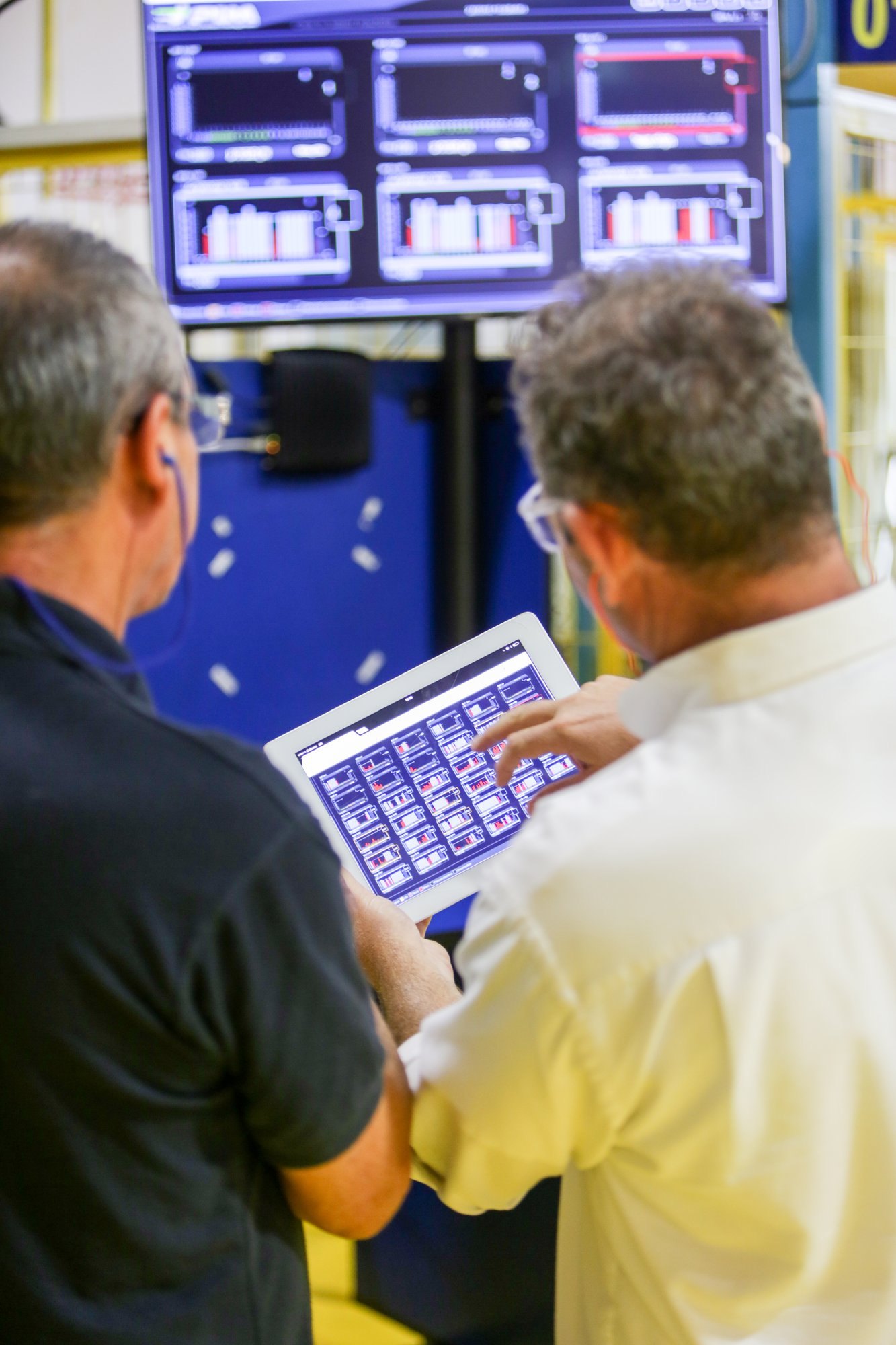
Managers reviewing Visual Factories data on a tablet
What changes

From tool price to cost per part.

Today
  • Tool changes logged by hand, or not at all
  • Wear judged by sound and feel
  • Purchasing compares tool prices
  • Inventory from gut feel
With Visual Factories
  • Every part counted on every tool, automatically
  • Alerts before end of life — planned changes
  • Cost per part by tool, job and supplier
  • Consumption forecast from real history
Who uses it
Production manager
Stops the scrap

Tools changed on time; spindles protected; the 3 a.m. surprise disappears.

Purchasing
Buys on evidence

Cost per part by supplier and alternative — the negotiation starts from your data, not theirs.

Machinist / setter
Knows the next change

Lifespan % on the monitor; the change is a planned stop, not an emergency.

Quality
Fewer dull-tool defects

Degrading tools are replaced before the parts drift out of tolerance.

Free download

Tool Life Monitoring — value proposition

Why tool life is the most under-measured cost in CNC machining, the ten ways it pays back, and how the count happens without anyone typing — for production managers and purchasing.

PDF · 3 pages · from your value-proposition paper


    Know your cost per part by next month.

    Pick one machine and its tools. We connect it, count for two weeks, and hand you the first cost-per-part table.

    ✓ 14-day Activation Sprint✓ Money-back SLA✓ No IT project✓ ISO 27001

    ← Back to all products

    Scroll to Top

    Schedule a Free Trial

    Please fill in your details so we can get in touch and start your free trial.