Purchasing sees the tool price; nobody sees the cost per part, because parts are never counted per tool. The count can come from the machine's own electrical signals: a small IoT device an electrician installs in under an hour, no PLC connection, no program change. A person records the tool change once; every cycle then adds to that tool's life. The result is planned tool changes instead of mid-cut surprises, standard lives corrected from data, and parts per tool by supplier on the purchasing table.
The number on the invoice is not the number that matters
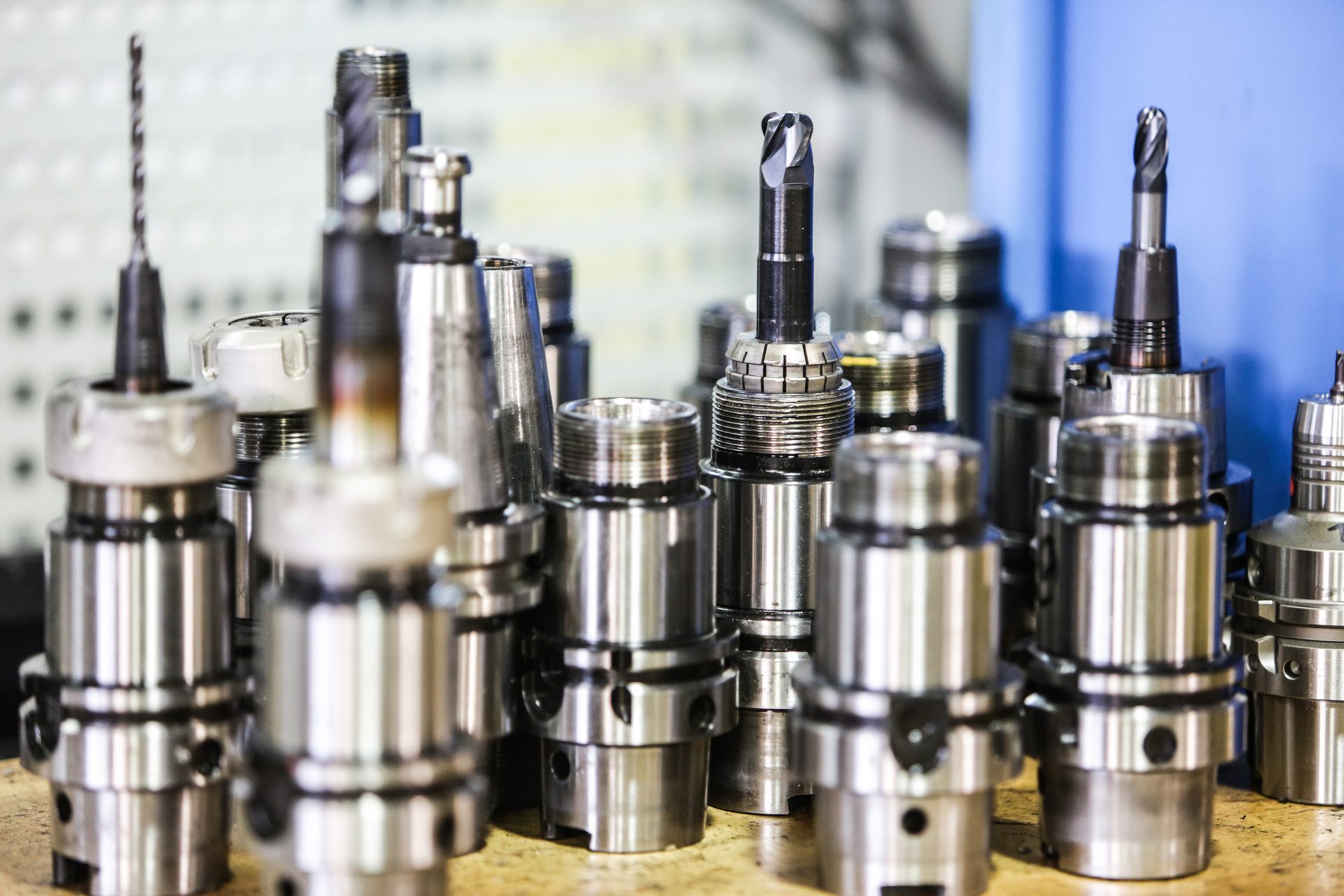
Cutting tools are one of the largest cost lines in a CNC shop, and in the plants we connect they are usually the least measured one. The invoice shows a tool price. The purchasing file shows a tool price. What nobody has is the cost per part: the tool price divided by the parts the tool actually made before it came out of the spindle.
The two numbers can point in opposite directions. A cheaper insert that lasts half as long is the more expensive one. A tool that costs more but holds tolerance for the whole batch at a higher feed may be the cheapest tool you own. Without a count per tool, the purchasing discussion stays where it usually is: on the price list, with the shop floor’s opinion on one side and the supplier’s data sheet on the other.
Why the count is missing
It is not that nobody cares. It is that counting parts per tool by hand does not survive a normal week. A tool change happens between cycles, often at three in the morning, often by the setter who is also loading the next job. Writing down the machine, the catalogue number, the tool ID and the parts made since the last change is a chore that competes with keeping the machine running, and it loses.
So the change gets logged on a sheet or in a spreadsheet, sometimes. The parts count is estimated from the schedule, sometimes. Wear is judged by sound, chips and feel, which experienced people do well, and which nobody can put on a table in a supplier negotiation. The result is two failure modes at the same time: tools changed too late, which means scrap, rework and a spindle that took a hit, and tools changed too early, which means good edges in the bin because it felt safer.
Where a reliable count actually comes from
The machine already counts. Every CNC machine, whatever its age or control, produces the same electrical signals: running, stopped, cycle, count. A small IoT device on those signals captures them; an electrician installs it in under an hour, there is no PLC connection and no change to any program, and the plant’s own people can do it. The signals are the same on every machine. What differs is the machine, the process, the product and the operating environment, even for two machining centres standing side by side. The Universal Adapter, in the cloud, interprets those same signals with the context of that specific machine, and every cycle becomes a counted part.
The tool change is recorded once. The only thing a person does is tell the system that a tool went into a spindle: machine, catalogue number, tool ID, standard life. At a kiosk or tablet it takes about ten seconds; in plants with tool-management or presetter software, the event can come from there instead. From that moment every cycle the machine reports is added to that tool, and its life percentage moves in real time. This is what the Cutting Tool Life product does: the count comes from the machine, not from a form.
What changes once the number exists
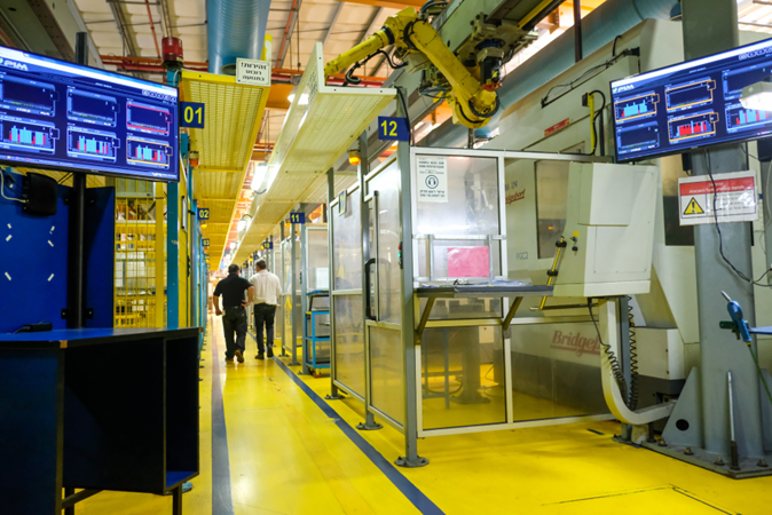
Changes become planned stops. When the life percentage is visible on the floor monitor, the alert arrives while there is still a planned stop ahead. The tool is changed at the end of the batch or at the break, not mid-cut with a part half finished. In our experience this is the first thing operators notice, and the first thing they do not want to give back.
Too early and too late both shrink. With a real count against a real standard life, the plant can see which tools consistently come out well before the end of their life and which consistently go over. The standard life gets corrected from data rather than from memory, and the corrections hold because they are visible the next morning in the daily report.
Purchasing gets a table. Parts made per tool, by job and by supplier, over weeks of actual production. Two alternatives run on the same job with the same measured result. That is the conversation shops have wanted to have with their tool suppliers for years, and it is a different conversation when the shop brings the data rather than the supplier.
Inventory follows usage. Consumption per tool per month, from real history, is a forecast you can order against. Shortages that stop a machine and boxes of inserts that never move both come from the same missing number.
How the plants we connect usually start
Not with the whole tool room. One machine, its tools, two weeks. The machine is connected in an hour; the setter records the changes on that machine for the next two weeks; at the end there is a first cost-per-part table for the tools that ran. It is small enough that nobody’s week is disrupted and specific enough that the purchasing manager and the production manager are looking at the same numbers for the first time.
What usually happens next is that the table raises a question nobody expected: why did the same tool make far fewer parts on the second shift, or on the machine next door. That question is worth more than the table, and it is the reason the second machine gets connected. If you want to talk through which machine to start with, contact us.
What we learned
The tool price is on the invoice; the cost per part is nowhere until the machine counts the parts. The count cannot depend on anyone writing anything down between cycles; it has to come from the signals the machine already produces. Once a tool’s life is visible, the tool change turns from an emergency into a planned stop, and the standard life gets corrected by data rather than by habit. And the moment a shop can put parts per tool by supplier on the table, the purchasing conversation changes sides. Real stories from our experience and our customers’ experience, told so you can learn from them: that is what this Resources section is for.
Questions people ask
What is cost per part for a cutting tool?
The tool's price divided by the number of parts it actually made before it was changed. It is the number that lets you compare two tools or two suppliers on the same job; the tool price alone cannot.
Do operators have to count parts per tool?
No. The parts are counted from the machine's own electrical signals, through a small IoT device an electrician installs in under an hour. A person only records the tool change, once, at a kiosk or tablet, or the event comes from the tool-management or presetter software.
Does this need a PLC connection or a change to the CNC programs?
No. The IoT device reads the electrical signals every machine already has: running, stopped, cycle, count. There is no PLC connection and no change to any program, and the plant's own electrician can install it.