Changeovers are the loss every plant agrees exists and almost none measures the same way twice. Before measuring, agree on four things: start (last good part of the old job), end (first approved part of the new one), owner, and three or four reason codes. A small IoT device on the machine's electrical signals then times each changeover to the second, no PLC connection. The long part is rarely mechanical work: it is the mold, program, material or inspector missing when the machine stops. Review the longest one daily at the machine, with an owner and a date.
Why the standard and the floor disagree
Almost every plant we connect has a standard changeover time. It sits in the routing or in the ERP, it was set when the part was quoted, and it plans the week. Very few plants have ever timed the changeover it describes. The floor reports it afterwards, in round numbers: “about an hour”, “a bit longer than usual”, “we had trouble with the first pieces”. The planner uses the standard, the setter remembers something else, and the shift report shows a third number.
Part of the disagreement is definition. In the same plant we have heard the changeover start when the planner’s order ends, when the setter arrives at the machine, and when the operator finally stops the old job. Some plants count it as planned downtime and keep it out of availability altogether, which makes OEE look healthy while the machine stands still for a good part of the shift. Our view is simple: a changeover is a loss, it belongs inside availability, and only a measured loss gets shorter.
Agree on the definition before you measure anything
Before a device goes on a machine, we ask the plant to agree on four things. The checklist is short, but the discussion it starts is usually the first real improvement.
- Start. The last good part of the previous job, which the machine sees as its last cycle. Not the moment the setter arrives, not the time written on the planning board.
- End. The first good part of the new job, approved. Not the first cycle. The slow and uncertain cycles between the first shot and the approved piece are start-up losses, and they belong to the changeover, because that is where they are caused.
- Owner. Who is responsible for the changeover on this machine: the setter, the operator or both, and who signs the first piece. Without an owner the measured time is only a number.
- Reasons. Three or four short reason codes the floor will actually use: tool or mold not ready, program not released, material not at the machine, waiting for first-piece inspection, mechanical work. “Changeover” alone explains nothing.
One more decision matters: a changeover is not the same as waiting for the setter. If the machine stopped at ten and the setter came at a quarter past, those fifteen minutes are a different loss with a different fix. Keep them apart from the first day.
Let the machine time it
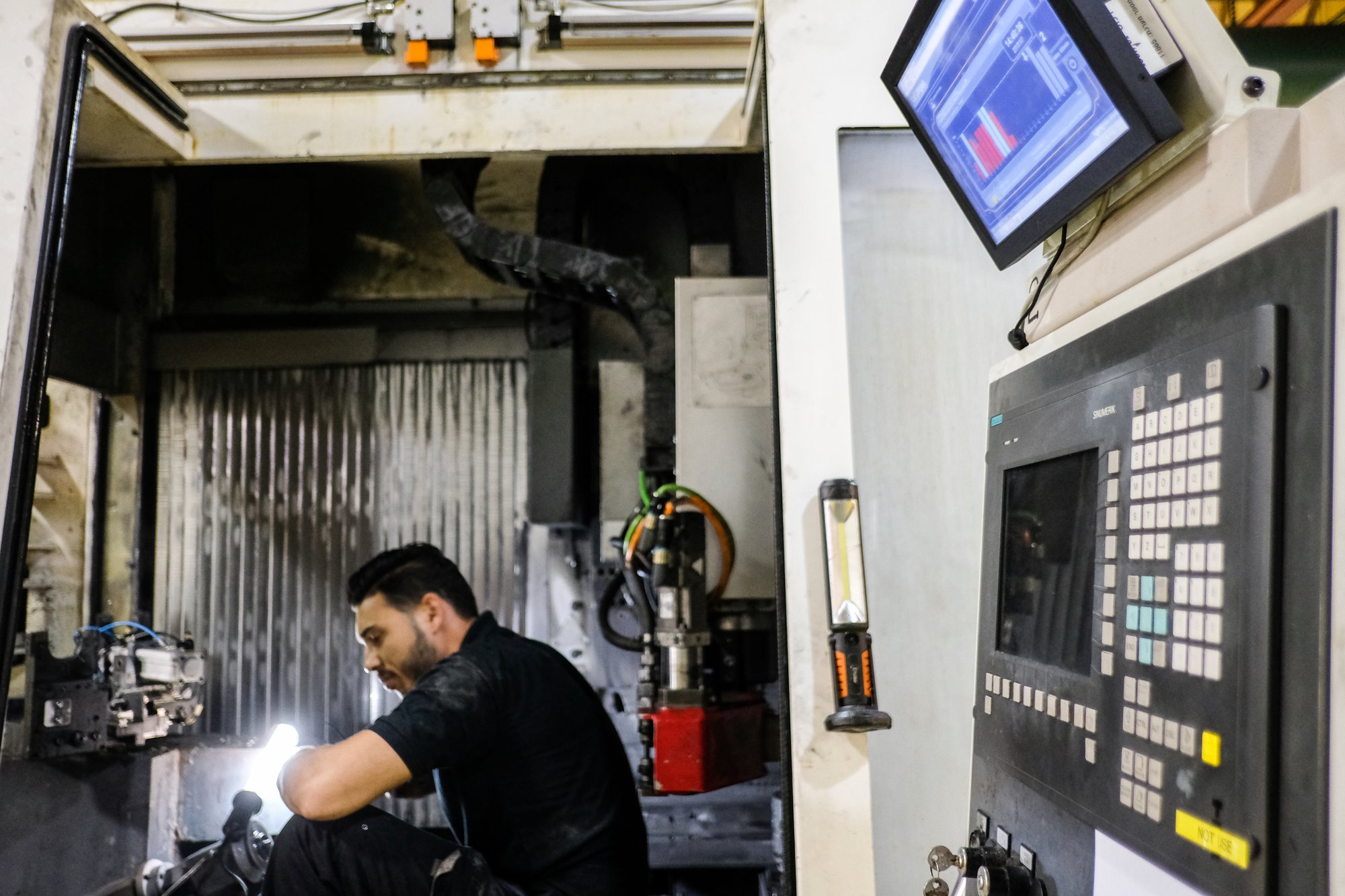
The measurement itself does not need a project. A small IoT device is wired to the machine’s electrical signals; an electrician installs it in under an hour; there is no PLC connection and no change to programs, and the plant’s own people can do it. The signals are the same on every machine: running, stopped, cycle, count. What differs is the machine, the process, the product and the operating environment, even between two presses standing side by side. The Universal Adapter, in the cloud, interprets the same signals with the context of that specific machine.
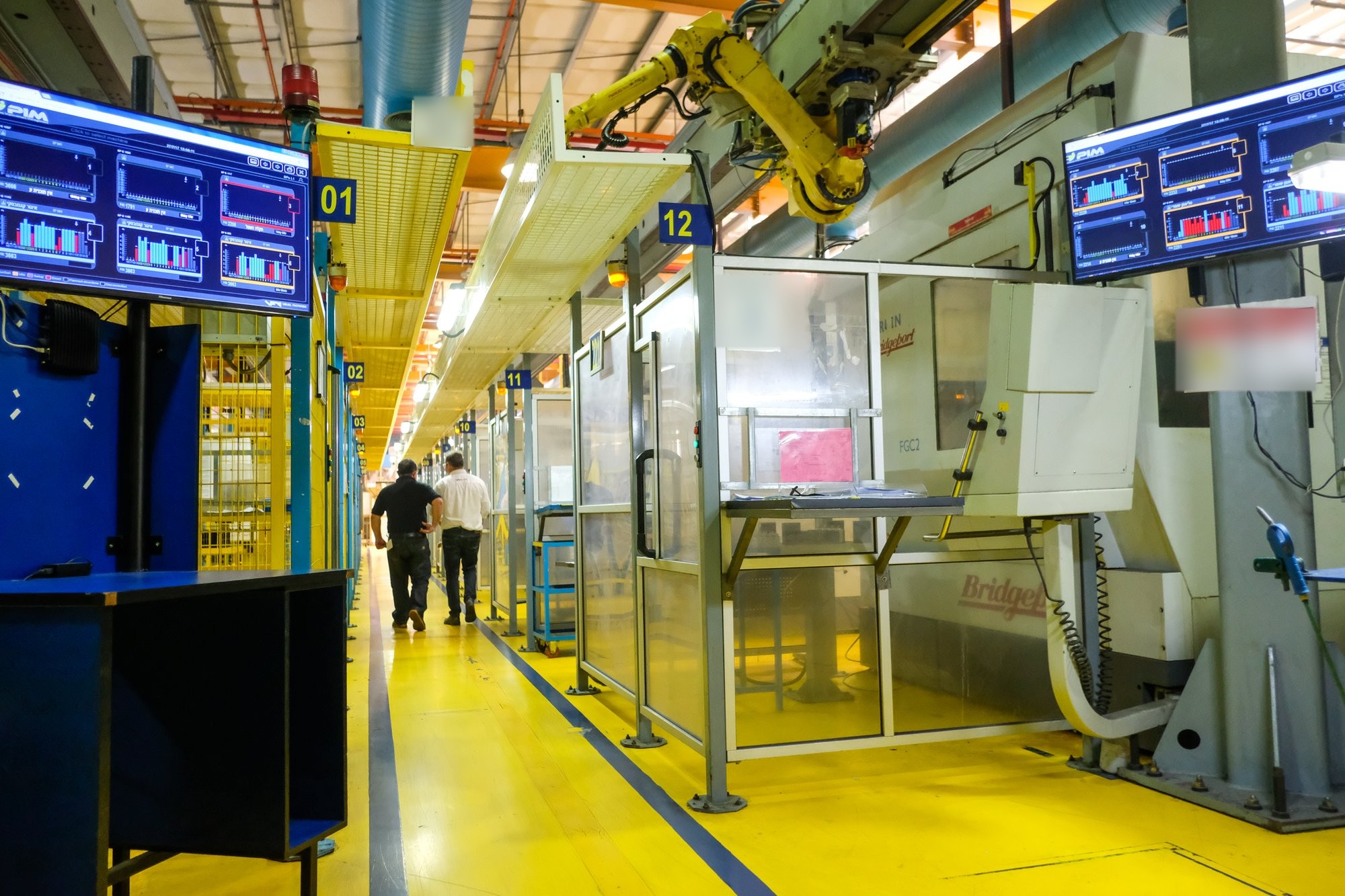
For a changeover this means the machine marks its own start and end. The last cycle of the old job and the first cycles of the new one are in the signal, to the second, every time, on every shift. The gap between them is the changeover; the cycles after it that run slower than the standard until the rhythm settles are the start-up loss. The setter or the operator confirms the reason on the floor monitor with one tap, and the daily report shows each changeover with its length, its reason and its owner, next to the standard it was planned against. This is what the OEE Improvement product does with setups and changeovers: it measures them per machine, compares them, and turns the longest ones into tasks with an owner and a date.
What the first month of measured changeovers usually shows
In our experience the first weeks tell the same story in a Tier-1 plant in Mexico and in a machining shop in Israel. The measured changeover is longer than the standard, and the spread between setters on the same machine and the same part is wider than anyone expected. Nobody was hiding this; nobody could see it.
The second finding surprises more people: the long part of the changeover is rarely the mechanical work. It is what is missing when the machine stops. The mold is still in the warehouse, the program has not been released to the control, the material is on the wrong side of the plant, the first piece waits for an inspector who is at another machine. Measured against the machine’s own clock, these waits stop being anecdotes and move to the top of the list.
The third finding is about neighbours. Two presses standing side by side, running the same family of parts, change over in different times, because the fixtures, the clamps and the habits around them are not the same. Once both are measured the same way, the faster one becomes the standard for the other, and the standard finally comes from the floor rather than from the quote.
A checklist for shortening it
None of this needs a consultant or new equipment; it needs the measured number on the wall and a short review at the machine.
- Stage before the stop. Tool or mold, program, material, fixtures and the inspection plan are at the machine before the last good part of the old job. The floor monitor can show the next job and what is still missing.
- Separate the waits from the work. Use the reason codes. A changeover that is long because the setter waited for a program is a planning problem, not a setter problem.
- Compare setters with the data, not with opinions. The shortest measured changeover on a machine is the method to write down and teach. The person who did it usually knows exactly why it was shorter.
- Review at the machine, not at a desk. Yesterday’s longest changeover, one owner, one task with a date. Plants that do this close most of the visible loss within weeks; plants that discuss it monthly close far less.
- Feed the real time back to planning. A standard that matches the floor makes the schedule believable and the job sequence cheaper, because the planner can finally see which changes cost the most.
What we learned
A changeover is the one loss every plant agrees exists and almost none measures the same way twice. Once the machine times it, the argument about how long it took ends, and the useful argument begins: why, and who fixes it. If you want to see what your machines say about your changeovers, talk to us; it starts with one electrician and one machine.
Questions people ask
When does a changeover start and end?
It starts at the last good part of the previous job, which the machine sees as its last cycle, and ends at the first approved part of the new job. The slow cycles between the first shot and the approved piece are start-up losses and belong to the changeover.
Should changeovers count as planned downtime or as an availability loss?
In our view a changeover is a loss and belongs inside availability. Keeping it out makes OEE look healthy while the machine stands still, and a loss that is not measured does not get shorter.
How is a changeover measured from the machine without a PLC connection?
A small IoT device is wired to the machine's electrical signals: running, stopped, cycle, count. An electrician installs it in under an hour, with no PLC connection and no change to programs. The last cycle of the old job and the first cycles of the new one mark the changeover to the second; the setter or operator confirms the reason on the floor monitor with one tap.