← Back to Products
← Back to Products  ›  OEM Supply-Chain Visibility

Your suppliers are running blind.

One live window across every nominated supplier cell — capacity, downtime and risk, in real time. Light enough to land. Valuable enough that suppliers want to keep it.
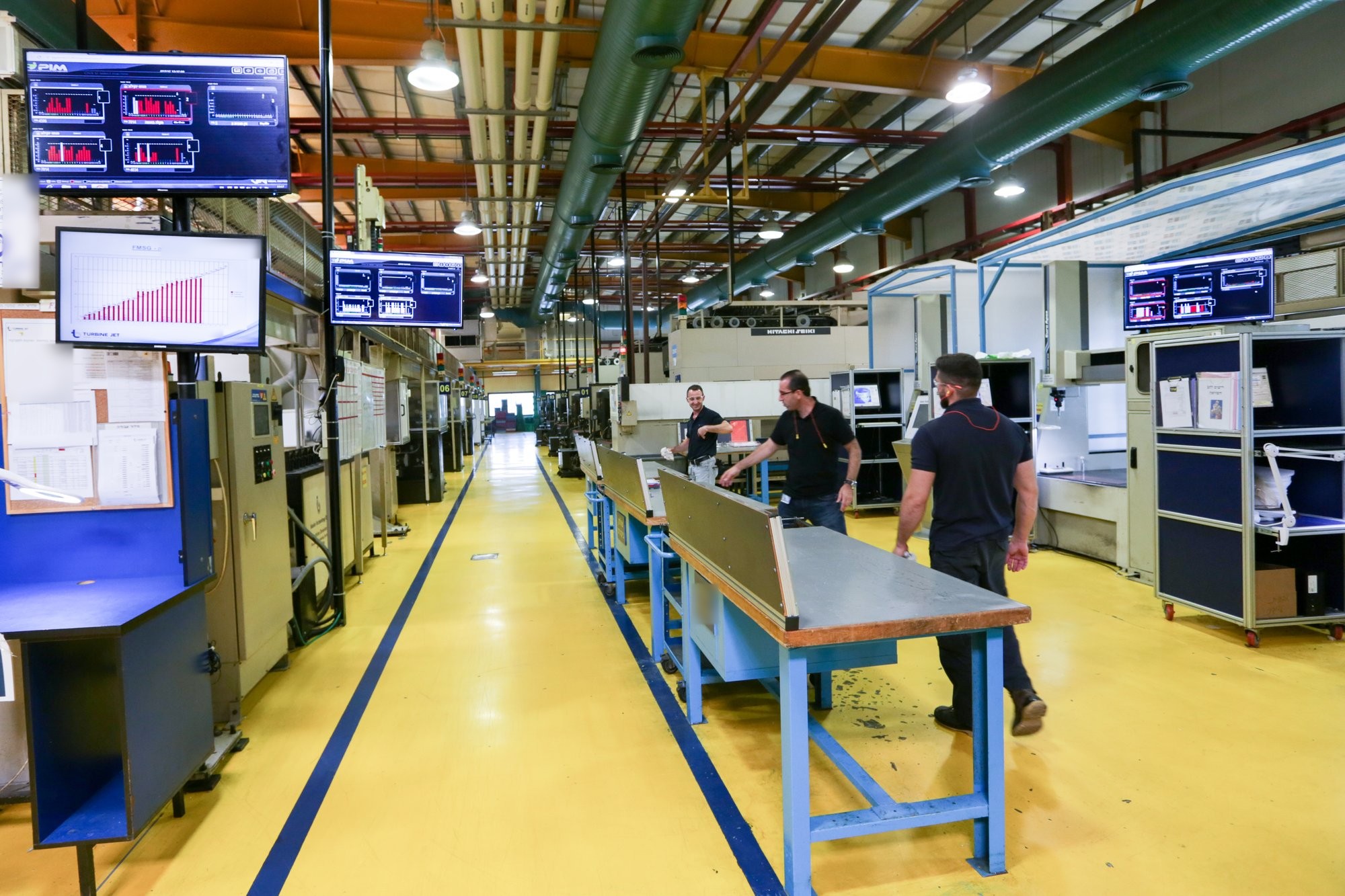

Supplier floor with Visual Factories monitors above the cells
14 daysto visibility per cell
20% OEEgain in 4–12 weeks
Zero costto the OEM — the supplier pays
Rolls-RoycePratt & WhitneyGühringDinexTecvoxTrinityRailTAV Medical
“If there's 10,000 things that need to go right, it only takes one to be slow to lag that.” The OEM's problem, in an OEM's words — a new product ramps on a stretched-out S curve; the production rate is set by the weakest link in the chain.*
The problem

Every other supplier program dies at the supplier's door.

You can audit a supplier, score a supplier, visit a supplier. What you cannot do today is see a supplier's cell running — until the parts are late. And the programs built to fix that ask the supplier to install, pay and report for your benefit, so they never take root.

01

Late visibility into supplier problems

You learn about a capacity or quality problem from a missed delivery, weeks after the cell started slipping.

02

No common measure across tiers

Every supplier reports differently, on its own cadence, in its own spreadsheet. Nothing compares, nothing ranks.

03

Programs the supplier has no reason to keep

Portals and reporting mandates are cost and effort for the supplier with no return — so they are filled in late, or not at all.

A ramp is only as fast as its least visible cell.
Why your supplier will keep it

Operations is the only link in your supplier's value chain that turns your pricing from loss to profit.

Look at a Tier-1 or Tier-2 supplier through the value chain. Five of the six links are fixed by you, the OEM. Only one is theirs — and that is where their margin, and your ramp, are decided. A program that pays the supplier back in output is the one program they keep.

OEE optimization is not nice-to-have for your supplier. It's survival.And a supply chain is only as strong as its least visible supplier.
00
Product

The spec is yours. Product innovation is closed to them.

OEM-fixed
01
Inbound logistics

Some room on sourcing price, handling and inventory.

Limited
02
Operations

Their machines. Their people. Their process. Margins live in execution.

Theirs
03
Outbound logistics

Ship-to schedules and delivery releases are dictated.

Limited
04
Marketing & sales

A captive base of one or a few OEMs. One lever: price. It only moves down.

OEM-fixed
05
Service

Warranty and quality terms are dictated by the contract.

OEM-fixed
Why VF lands where other programs fail

Both sides win from day one.

The OEM gets the risk signal in real time. The supplier gets a measured OEE gain on its own machines — and pays for it gladly, because it profits from the same output. Adoption sticks because nobody is doing it for someone else.

For you, the OEM

Supplier Command Center

  • One dashboard — all suppliers, all tiers, real time
  • Real-time JIT alerts on capacity and downtime, per nominated cell
  • Supplier Disruptions Radar — risk visible weeks early, not at delivery
  • Benchmarking and ranking across sites and suppliers
Zero program cost. The supplier pays. You nominate the cells that gate your ramp.
For your supplier

Machine monitoring & analytics

  • Any machine connected in days — no IT project, an electrician does it
  • 10–30% OEE improvement in 4–12 weeks, verified on production data
  • Root-cause identification from week one; AI turns findings into tasks
  • Closed-loop improvement with minimal engagement
Gross profit from the same output. Participation is voluntary — growth by proof, not pressure.
The OEM sees the risk signal in real time. The supplier pays and profits.
How it works

VF connects quickly and easily to any link in the chain. Measures it, and improves it.

Every supplier runs different machines — presses, molding, machining, assembly, end-of-line. Visual Factories reads the electrical signals every machine has, so a nominated cell is live in days regardless of what runs in it. The supplier's electrician installs the IoT device; the brain sits in the cloud; you see the result.

  • 1Nominate — the cell gating your ramp. Ten machines is enough to start.
  • 2Connect — 14-day activation sprint at the supplier, money-back SLA.
  • 3See — capacity, downtime and risk per cell, in your Command Center.
  • 4Improve — the supplier runs the closed loop; OEE rises; the constraint moves.
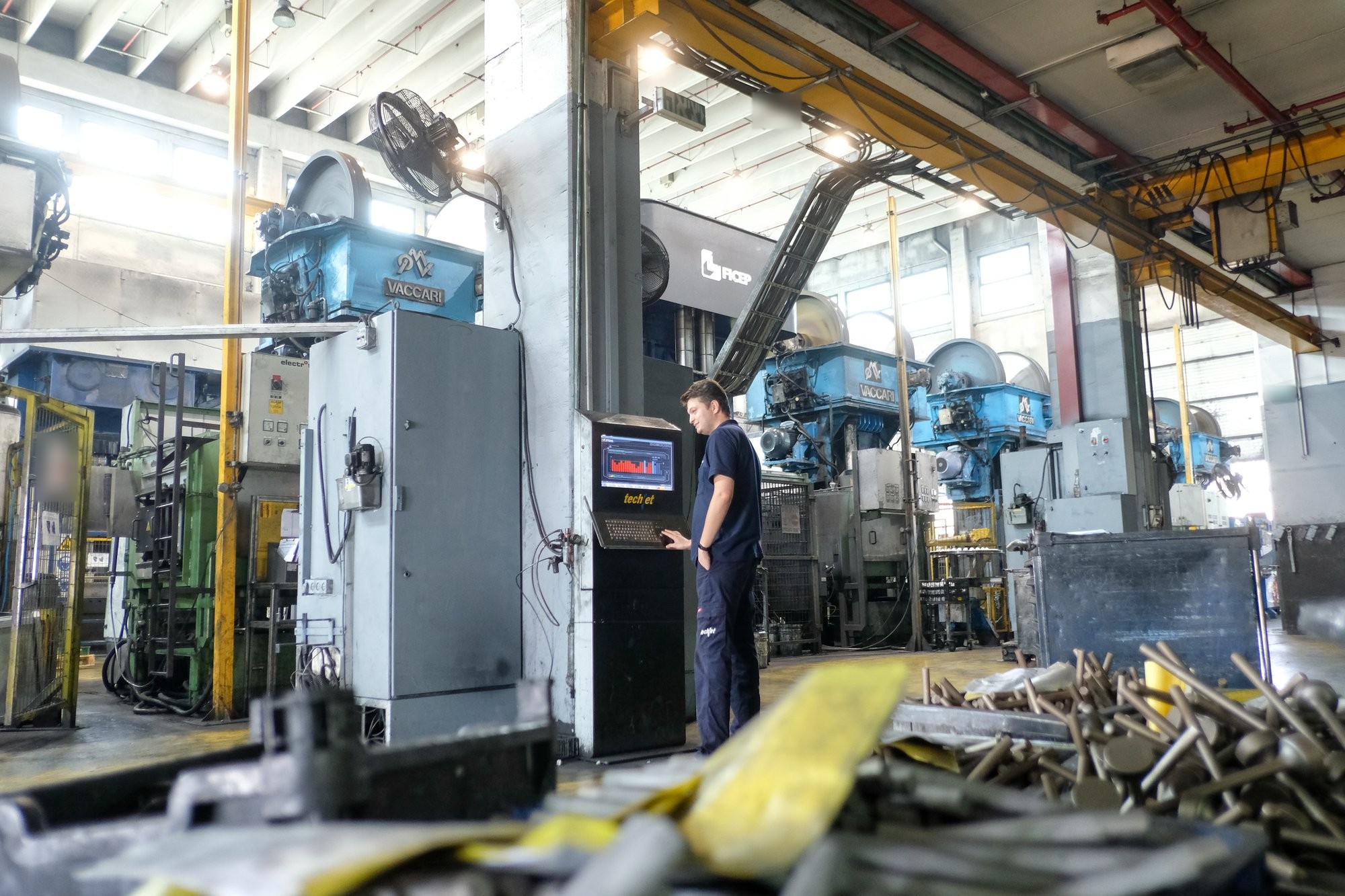
Row of presses at a Tier-1 supplier with Visual Factories monitoring
Time to visibility

14 days from nomination to a live cell.

Per supplier, per cell. The SLA clock starts when the readiness check is confirmed.

Days −7 to −1 · Pre-sprint
Readiness check

Machine list confirmed, electrical diagrams in hand, network access validated, project owner named at the supplier.

Days 1–7 · Connect
Signals & validation

IoT devices installed by the supplier's electrician. Signals validated against known production reality. KPI definitions agreed.

Days 8–14 · Land
Training & kickoff

Operator, supervisor and management training at the supplier. By day 14 the cell is live in your Command Center.

AI in action, at the supplier

Measurement becoming improvement.

The supplier's team sees live targets on the floor; the AI agent finds the reason behind each loss, recommends the action and creates the task. The supplier improves; you watch the constraint disappear from the radar.

See a live cell →
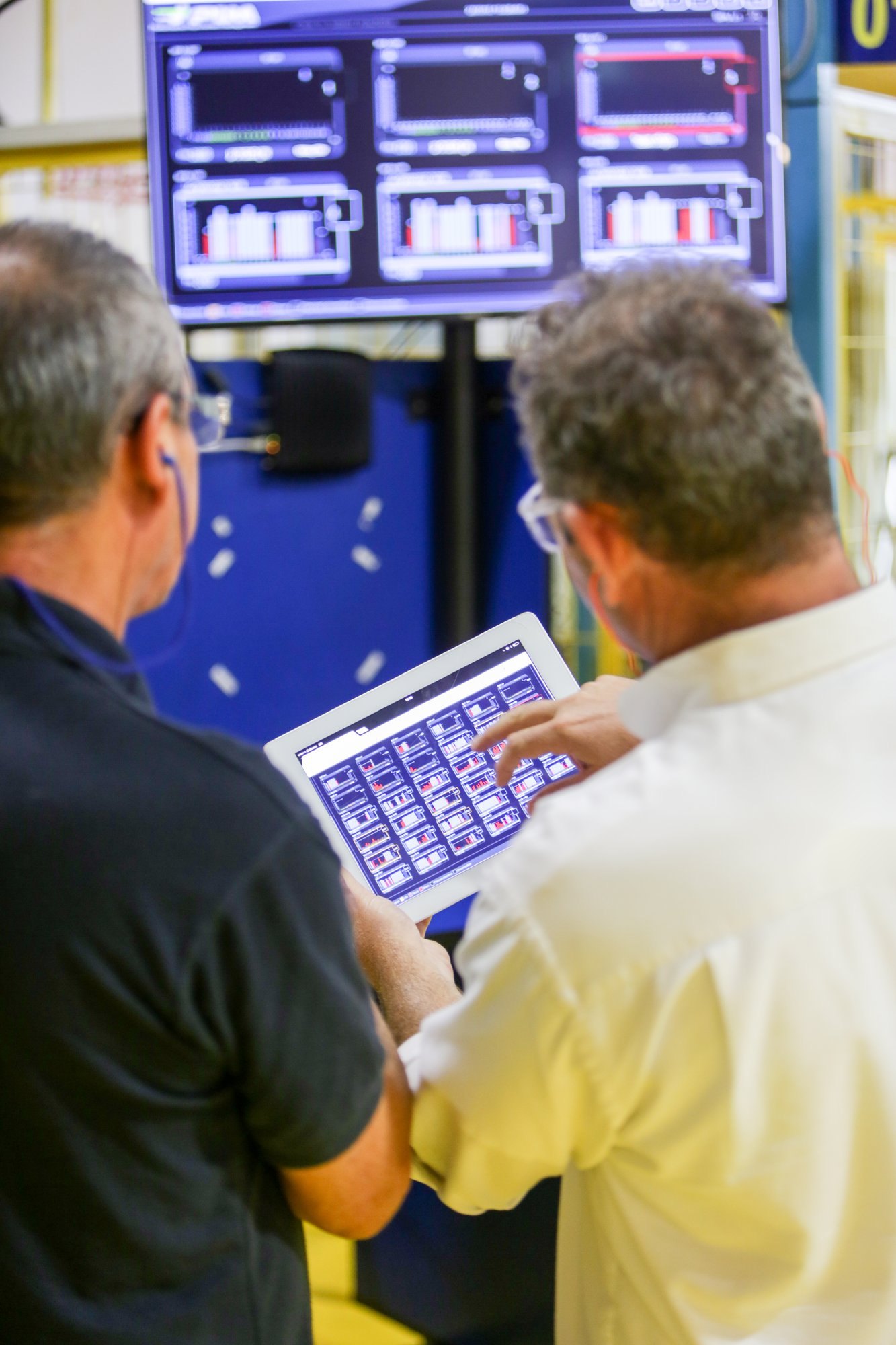
Supplier managers reviewing VF AI analysis on a tablet
Measured results

Three nominated cells at one Tier-1 automotive supplier.

Three different processes, same closed loop. Baseline measured Nov 2025 – Jan 2026; improvement measured April 2026; verified against production data.

49% →
62% OEE

13-machine cell, Plant 1

48% →
83% OEE

4-machine injection cell

59% →
82% OEE

2-machine EOL cell

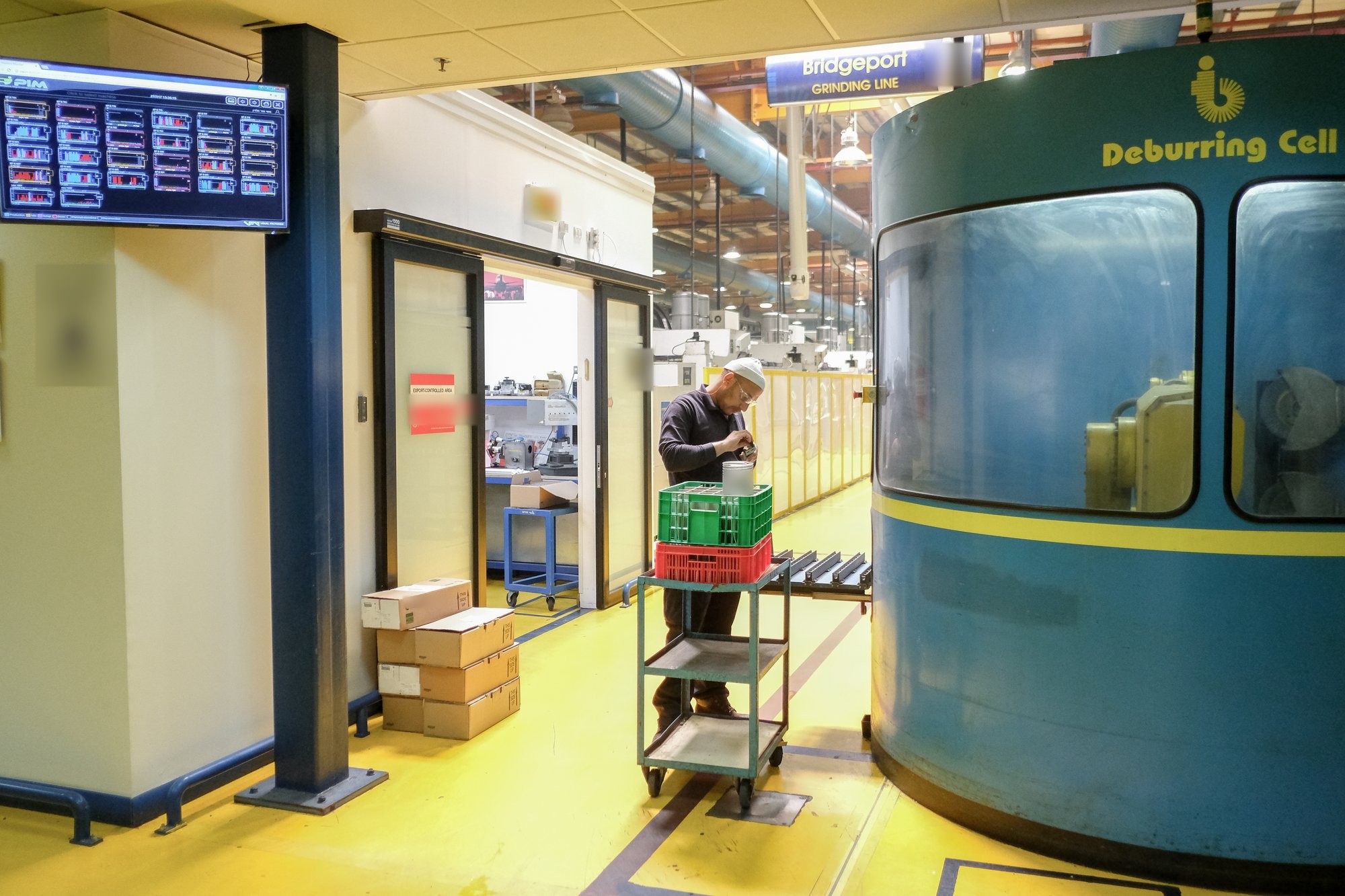
Deburring cell with Visual Factories monitor
The constraint became visible — then it movedWhat the OEM saw: a live risk signal per cell, weeks before delivery. What the supplier got: more output from the same machines.
Case study — Tier-1 automotive supplier
Case study · Tier-1 automotive supplier

Increasing revenue, cutting costs, and reducing overtime

  • +27%OEE
  • +23%production per day
  • −63%overtime hours
  • −68%defect parts per million
Read the case study PDF · free download
The ask

Nominate the next suppliers.

Start with one cell per supplier — the one gating the ramp. Participation is voluntary for the supplier. Growth by proof, not pressure.

1
One cell per supplier

The cell that gates your ramp. A 10-machine nomination is enough to start.

14
Days to a live cell

Activation sprint with a money-back SLA — or a free POC if you'd rather see it first.

0
Cost to you

The supplier pays and profits. You get the risk signal, the benchmarking and the radar.

Autonomous discrete manufacturing requires a unified operational data infrastructure. VF is the easiest way in.
Free download

The OEM executive brief

The weakest-link problem, the Supplier Command Center, the 14-day sprint, the three-cell results and the nomination model — in seven pages, written for OEM supply-chain and manufacturing executives.

PDF · 7 pages · includes the value-chain argument and the supplier readiness checklist


    See the risk signal before the delivery slips.

    A 30-minute executive briefing: your supply chain, your ramp, and which cells to nominate first.

    ✓ 14-day Activation Sprint✓ Money-back SLA✓ Zero cost to the OEM✓ ISO 27001

    ← Back to all products

    * Paraphrased. Original wording: production will run “proportionate to the least lucky, least confident part of the entire supply chain” — a stretched-out S curve for a completely new supply chain. Q4 2025 earnings call, January 2026.

    Scroll to Top

    Schedule a Free Trial

    Please fill in your details so we can get in touch and start your free trial.